Table Of Content

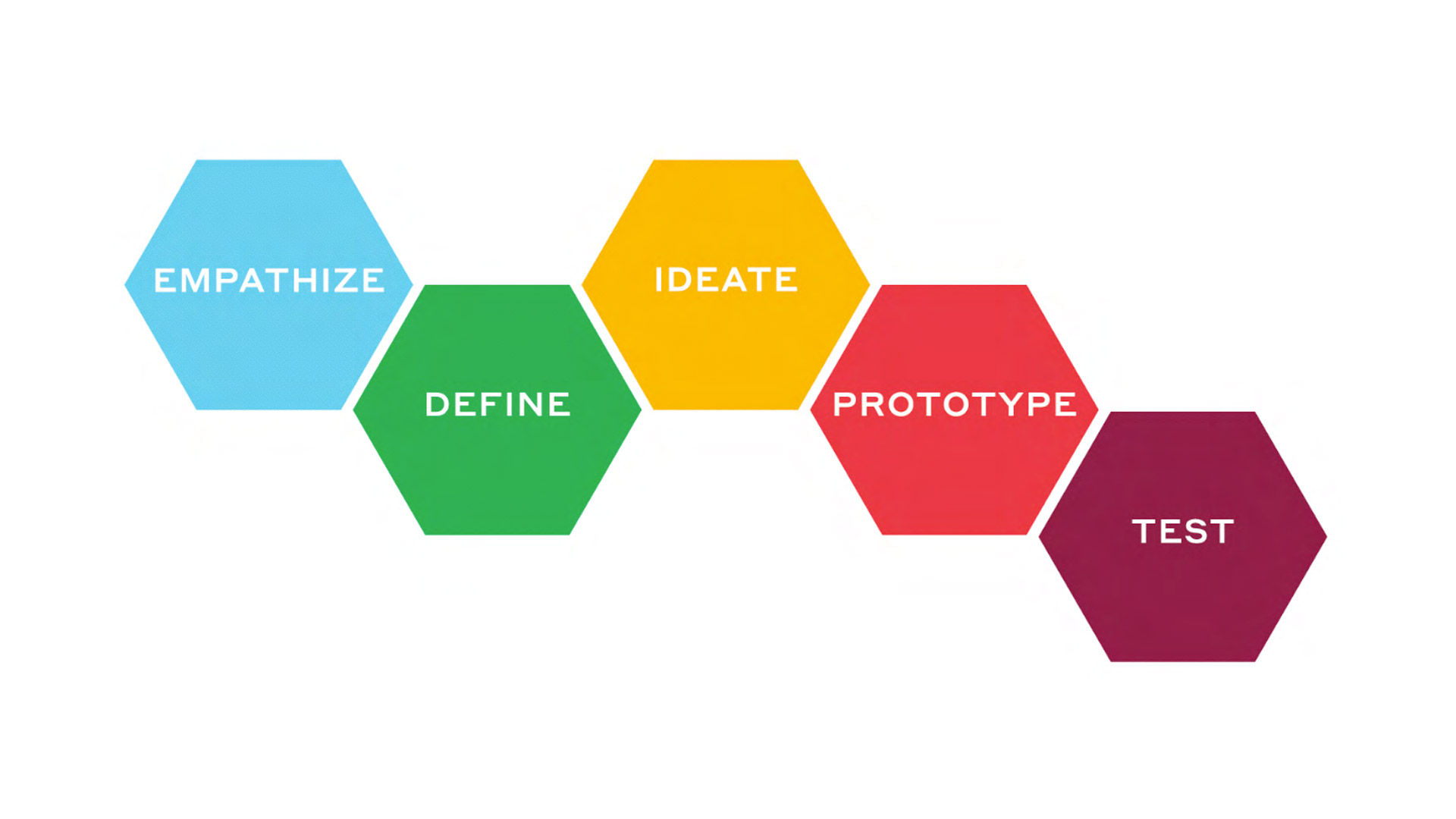
By replacing “user” with “human,” designers can empathize better with the people for whom they are designing. Don Norman takes HCD a step further and prefers the term People-Centered Design. While design thinking and agile teams share principles like iteration, user focus, and collaboration, they are neither interchangeable nor mutually exclusive. On the surface, design thinking frameworks look very different—they use alternative names and have different numbers of steps. The team tests these prototypes with real users to evaluate if they solve the problem.
Stage 1: Empathize—Research Your Users' Needs
The final stage is “Deliver,” where the team tests the concepts and implements the most viable solution. More than a process, the Head, Heart and Hand framework outlines the different roles that designers must perform to create great results. Wicked problems demand teams to think outside the box, take action immediately, and constantly iterate—all hallmarks of design thinking. This change has, also for the first time in Icelandic history, given the nation a clear window into who is trying to run — and it’s a remarkably large number. To date, 82 people are collecting endorsements, including a comedian, a model, the world’s first double-arm transplant receiver, and my aunt Helga.
What Are Wicked Problems and How Might We Solve Them?
So, they develop ‘personas,’ fictional consumers and users derived from user research. [2] They depict the people who might similarly use a product or solution, providing insights into how real users would engage with a solution. User personas also support market segmentation strategy by offering a concrete design tool to reinforce that products and solutions are created for people. Personas drive product development and several SAFe practices, as shown in Figure 3. The design thinking process uses ideation and problem-solving to generate innovative solutions that resonate with users.
Step 4: prototype the solution
Design thinking is a mindset and approach to problem-solving and innovation anchored around human-centered design. The process is all done in a collaborative, multidisciplinary team that leverages the experience and thinking styles of many folks to solve complex problems. It can feel quite chaotic at first, if you’re not used to it—however, if done correctly, it can result in emergent solutions that are desirable, feasible and viable. The goal of all the steps that come before this is to have the best possible solution before you move into implementing the design. Your team will spend most of its time, its money, and its energy on this stage.
Innovation workshop using design thinking framework and involving stakeholders to co-create ideas for management ... - Nature.com
Innovation workshop using design thinking framework and involving stakeholders to co-create ideas for management ....
Posted: Sat, 04 Nov 2023 07:00:00 GMT [source]
In Step 4, your goal is to prioritize and prototype an idea (aka a solution) that was generated in Step 3, so you have an MVP (minimum viable product) that can be tested later. Showing them Hotjar recordings of user sessions makes them empathetic when our users stumble, and it gives them a sense of pride when they see a user complete a task they just worked on. Filter sessions by rage clicks (where users click in frustration) to quickly learn which elements are irritating users.
Learn with CareerFoundry
Figure 5 shows how these journey maps are powerful design thinking tools. They allow teams to identify ways the specific deliverables for one or more Development Value Streams can be improved to create a better end-to-end user experience. Simply put, the Design Thinking process is a playbook that helps teams shape a field of opportunities into specific innovations. It breaks down the human-centered design process into a series of stages and steps, and guides complex collaborations with tools and activities. Following weeks of research and immersion in the user experience, teams will begin seeing human-centered solutions everywhere they look.
The most important part of the statement of opportunity is ensuring all disciplines are involved in drafting it. Tools like UserTesting allow you to test anything from static images to high-fidelity prototypes and collect qualitative feedback from real users or a matched audience. The benefit of this type of testing is that it requires little time to set up and doesn’t have any impact on the live product. During the first iteration of the design thinking cycle, the product team can use low-fidelity prototypes and ask test participants to perform the most common operations. For example, when it comes to learning a new language, the prototype test may just involve completing a daily lesson using your prototype. The more teams learn about user needs, the better solution they can create.
A Complete Guide To Design Thinking In 2024 - FourWeekMBA
A Complete Guide To Design Thinking In 2024.
Posted: Sun, 07 Jan 2024 08:00:00 GMT [source]
Story mapping is a brainstorming technique that can enable teams to design a solution focused on the Customer. However, they are particularly useful for developing new end-user functionality for a workflow or customer journey. Design Thinking Empathy is about immersing yourself in the user experience. That means interviewing real users, observing them in their daily life, and walking a mile in their shoes. Direct observation is a powerful creative tool, and small details can be very inspiring during ideation. Teams should look to connect both directly and indirectly with users, creating a holistic view of their experience through interviews, analytics and heuristic approaches.
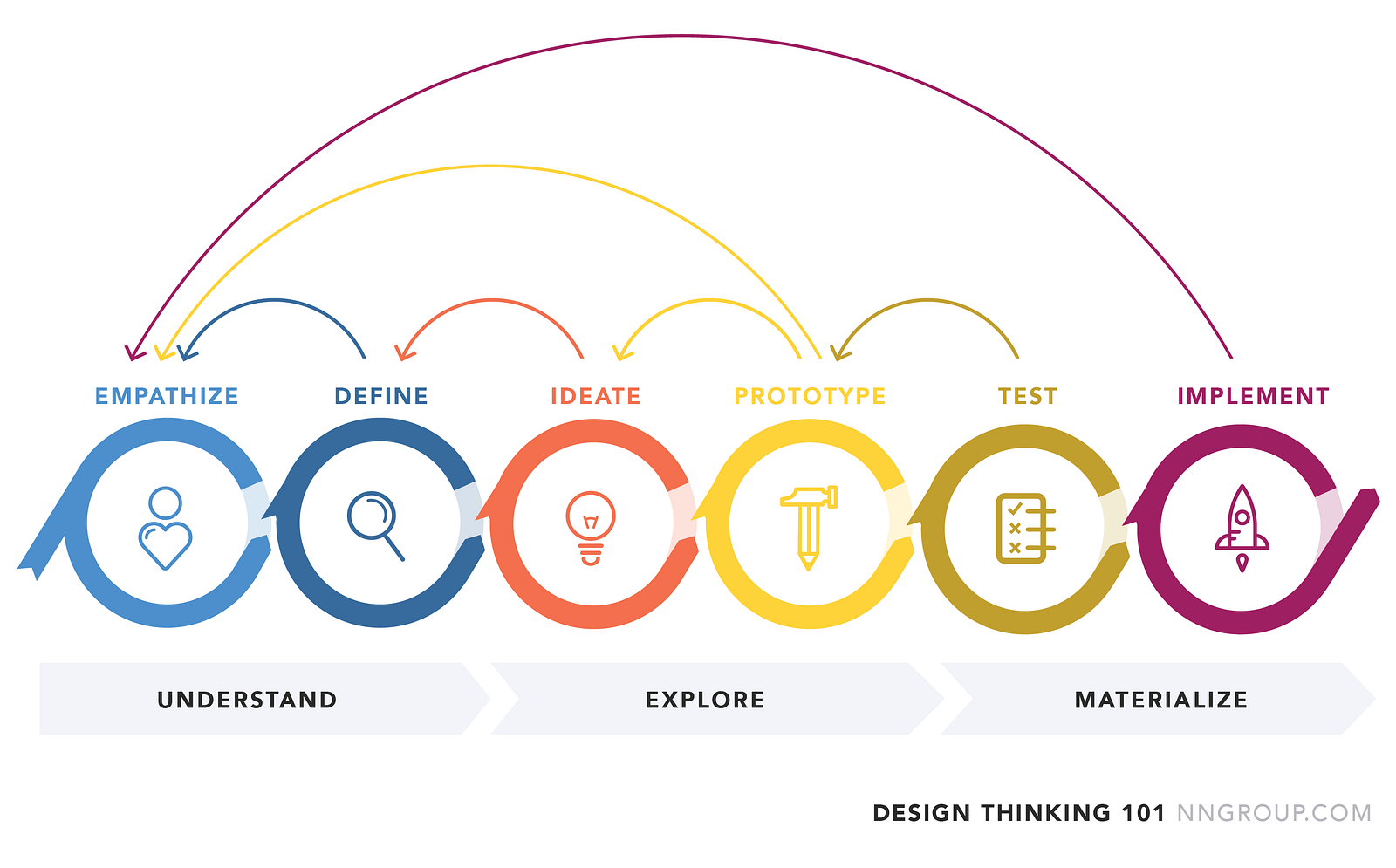
Did You Know Design Thinking is a Non-Linear Process?
Herbert Simon’s 1969 book, "The Sciences of the Artificial," has one of the earliest references to design thinking. David Kelley, founder of the design consultancy IDEO, coined the term “design thinking” and helped make it popular. Aims to deliver that solution and continuously iterate on the live product. As the name suggests, the double diamond model consists of two diamonds—one for the problem space and the other for the solution space. The model uses diamonds to represent the alternating diverging and converging activities.
With all this talk of the Design Thinking process and just how valuable it is, you might be wondering how you can learn more about Design Thinking and eventually start applying it to your own work. Once you’ve synthesized your findings, you’ll formulate what’s known as a problem statement. A problem statement—sometimes called a point of view (POV) statement—outlines the issue or challenge you seek to address.
Design thinking encourages collaboration between heterogeneous, multidisciplinary teams which may not typically work together. Unlike problem-based thinking, which tends to fixate on obstacles and limitations, the Design Thinking process is all about outcomes. It provides a non-linear series of steps that you can follow to come up with innovative, actionable ideas. The goal is to ultimately overcome cognitive fixedness and devise new and innovative ideas that solve the problems you identified. Continue to actively avoid assumptions and keep the user at the forefront of your mind during ideation sessions.
User-centered design focuses on improving a specific product or service. Design thinking takes a broader view as a way to creatively address complex problems—whether for a start-up, a large organization, or society as a whole. As you may have guessed by now, design thinking goes way beyond just the way something looks.


No comments:
Post a Comment